
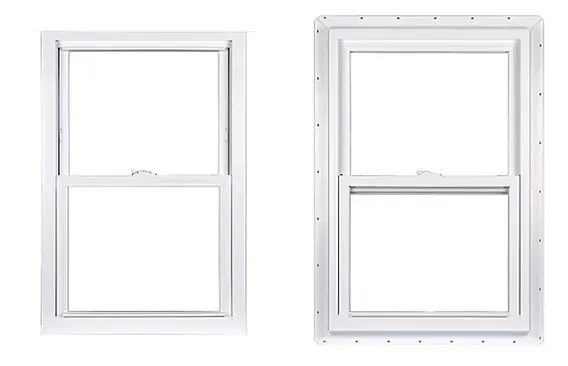
Replacement Windows vs. New Construction Windows
Understand Options of Your Windows
When planning a home improvement project, homeowners often need to choose between new construction windows and replacement windows. Understanding these options helps in making the best decision for your home.
Replacement Windows
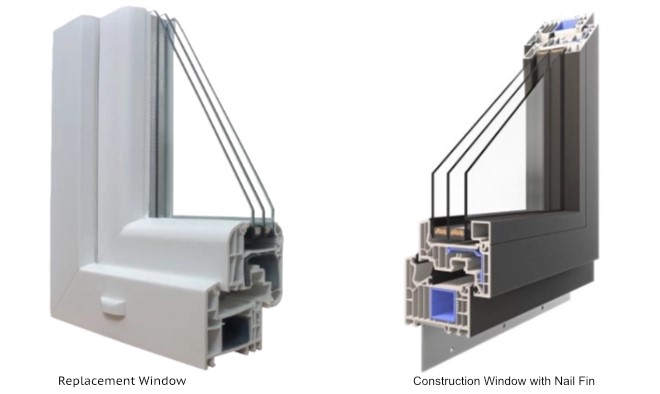
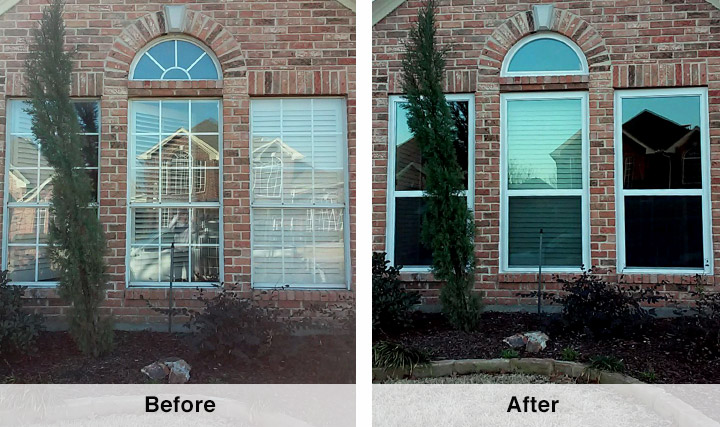
Replacement windows fit into existing frames without disturbing the surrounding trim. They lack nailing fins and are secured within the existing frame.
Types of Replacement Windows:
Insert Replacement Windows: Installed inside the existing frame, preserving trim and reducing costs. Ideal when frames
are level and undamaged but slightly reduces glass area.
Full Frame Replacement: Removes the entire window unit, similar to new construction installation, allowing inspection and
repair of structural damage. Suited for damaged or misaligned frames or changing window styles.
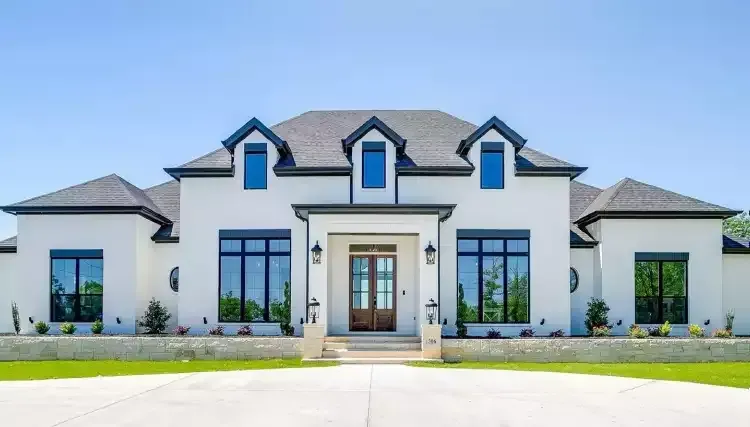
Full Frame Replacements typically from experience are used in applications when replacing windows in a brick or stucco and outside wall structure need to stay undisturbed.
New Construction Windows
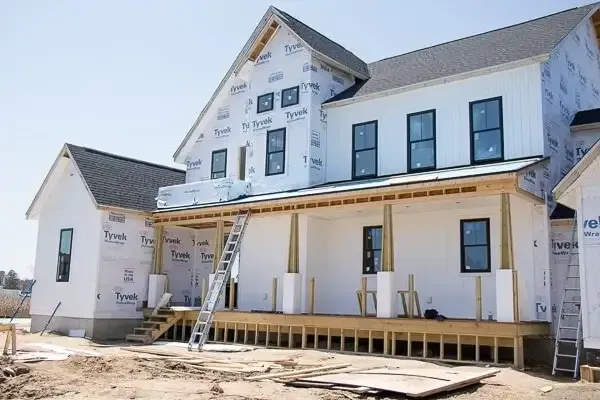
New construction windows are similar to replacement windows but include nailing fins, which are thin strips extending from the window’s edges. These fins help secure the window to the house’s framing, offering a tight seal against wind and water. Ideal for newly framed openings, these windows are installed before adding flashing, moisture barriers, siding, and trim, often resulting in higher installation costs.
Key Differences & Similarities
The main distinction between new construction and replacement windows is the presence of nailing fins and their installation methods. Both options provide similar benefits and can cater to different project needs.
Similarities are, both new construction and replacement windows can come as single hung, double hung, casement window, or picture window as well as specialty shape window, all those options can have hurricane glass in them.
Hurricane Glass Windows
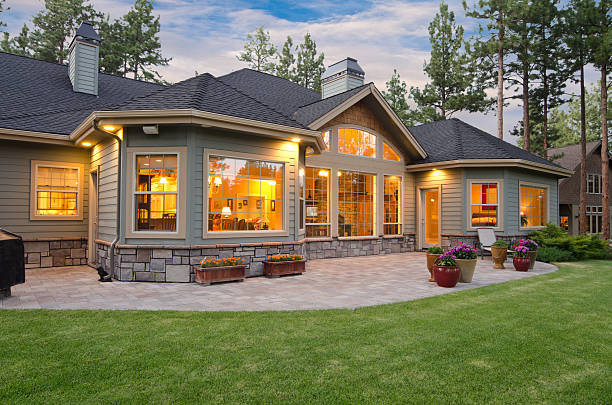
If you reside in an area prone to heavy rain, strong winds, or extreme weather events such as hurricanes, it's wise to consider replacing your old windows with impact-rated products.
Designed to match the appearance and functionality of standard windows, impact-rated windows are specifically crafted for homes in coastal regions and harsh climates. Many local building codes even mandate the use of impact-rated products, ensuring you feel safe and secure in your home.
If you’re considering window replacement for an older home, give us a call and schedule appointment so we can go over your options and give you helpful tips. You can also explore a variety of unique window designs in our gallery. When you're ready to discuss your options, our expert design consultants are here to assist you, offering both in-home and virtual consultations.
Single-Hung Windows
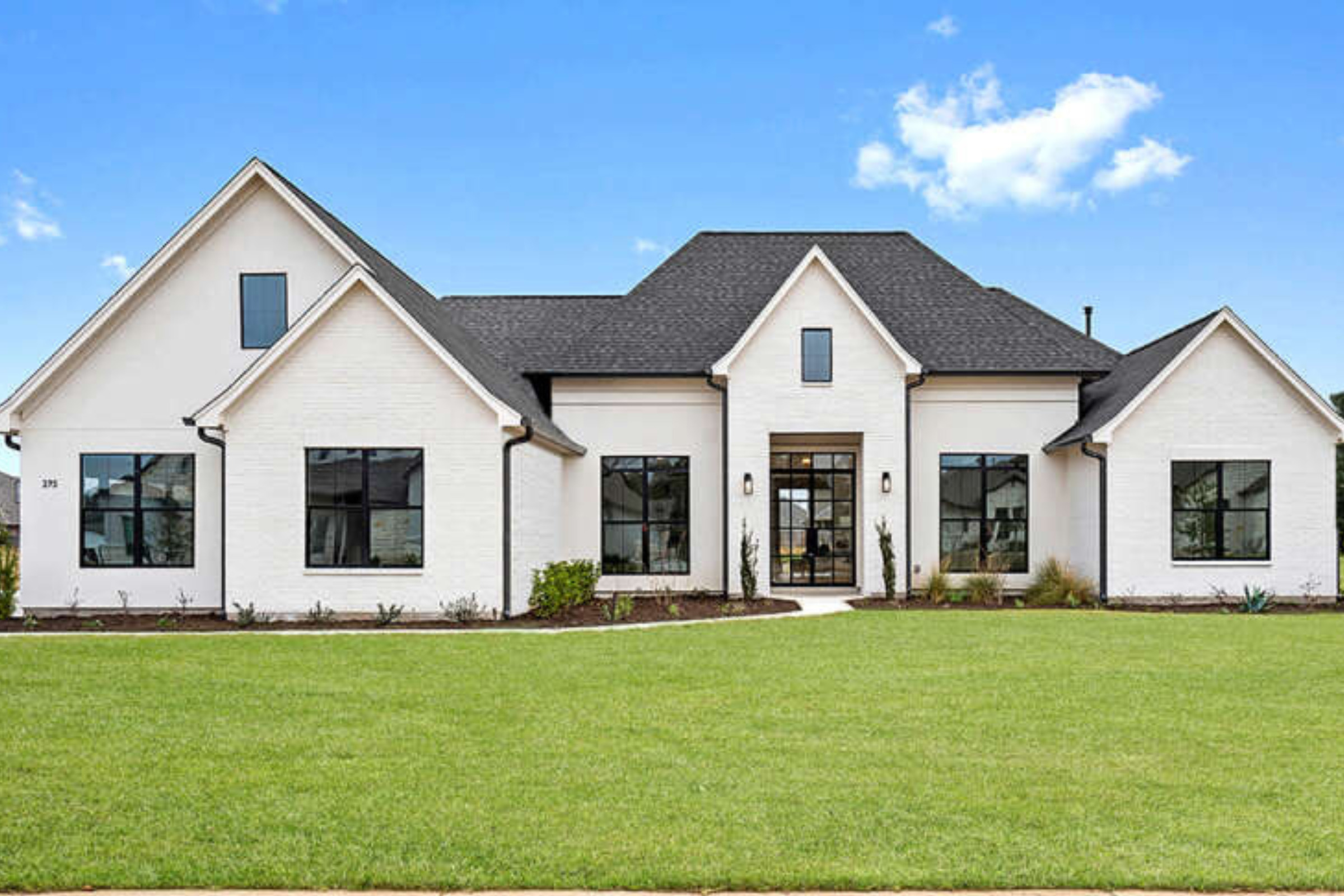
Single-hung windows, common in coastal areas due to high winds, resemble double-hung styles but have a fixed top sash, making only the bottom operable. This design reduces air infiltration, enhancing weather resistance. They may be harder to clean than double-hung windows, but their affordability makes them a popular choice. The fixed sash offers additional stability in weather-affected regions, providing durable and cost-effective solutions for homeowners nationwide.
Double-Hung Windows
Picture windows are fixed and do not open, making them ideal for framing stunning views while ensuring safety and security. They’re particularly effective in hard-to-reach areas, such as recessed walls or vaulted ceilings. Picture windows can be combined with other styles to form unique configurations that enhance your home's character. Pairing a picture window with casement or double-hung windows allows you to enjoy expansive views and natural light while maintaining easy access year-round.
Sliding Windows
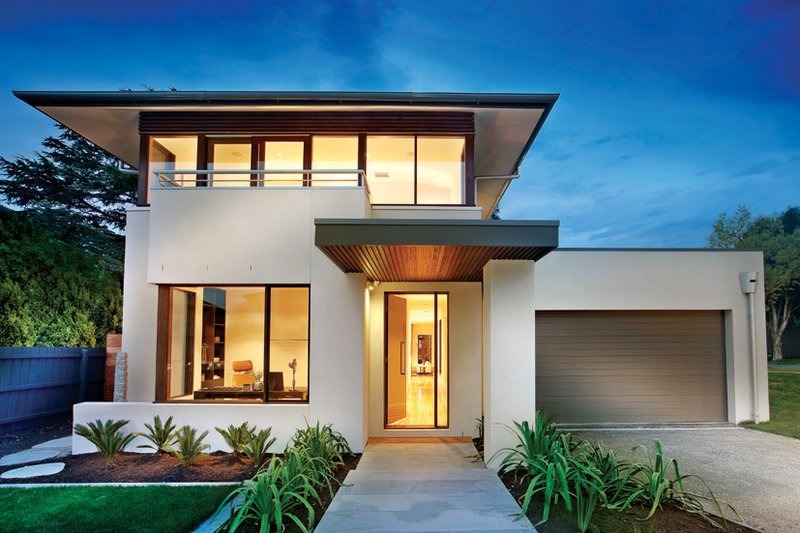
Sliding windows open horizontally, moving side to side instead of vertically like double or single-hung styles. They're ideal for spaces where leverage or space is limited, such as behind kitchen sinks or above appliances. Easy to operate, sliding windows also frame beautiful outdoor views. Typically wider than tall, they provide unobstructed sightlines and enhance airflow during warmer months, making them both practical and aesthetically pleasing for various areas in your home.
Casement & Awning Windows
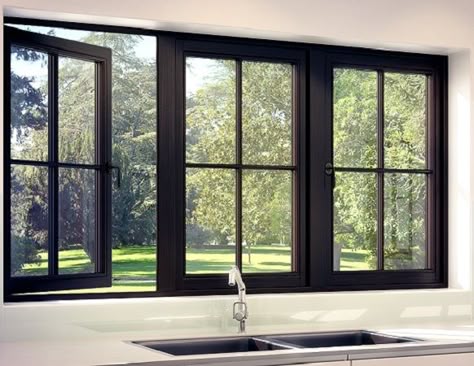
Casement and awning windows are versatile styles that open either vertically or horizontally, swinging outward or upward. Unlike hung windows, they operate with a hand crank, providing flexibility and security for fresh air, especially in rainy or windy climates. However, it's important to consider access when choosing these windows. If you use a window unit for cooling in the summer, you may face difficulties installing the air conditioner in crank-out windows, limiting your options.
Picture Windows
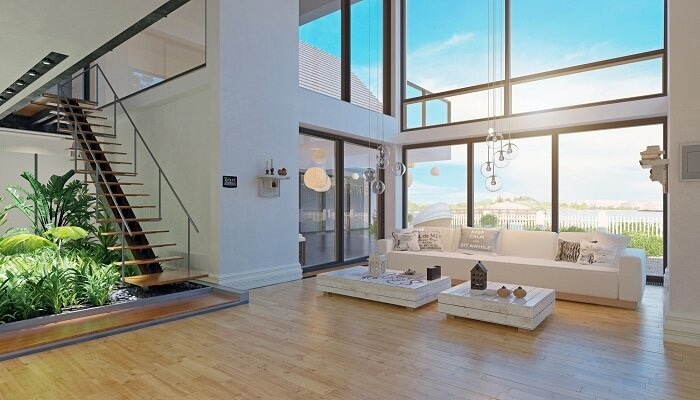
Picture windows are fixed and do not open, making them ideal for framing stunning views while ensuring safety and security. They’re particularly effective in hard-to-reach areas, such as recessed walls or vaulted ceilings. Picture windows can be combined with other styles to form unique configurations that enhance your home's character. Pairing a picture window with casement or double-hung windows allows you to enjoy expansive views and natural light while maintaining easy access year-round.
Architectural Specialty Shapes Windows
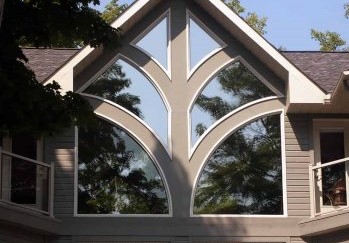
While architectural shape windows are less common, they serve a unique purpose in many homes. Often called “special shapes,” these windows are ideal for accommodating extreme angles, rounded transoms, and soft corners. They truly excel in customization, available in various shapes and sizes to fit the unique nooks and crannies of your home. Architectural shape windows can also complement existing window configurations, adding character and charm while enhancing your home's overall aesthetic.

Discover Your Windows & Doors Adventure Awaits Here.


Quick Links
Home
Services
About Us
Testimonials
FAQ's
Blog